Categories
Uncategorized

WHAT TO DO IF YOU ARE STUNG BY A BEE

A sting from a bee can happen out of nowhere. If you are outside during the spring, there is a high chance bees could be flying around whether they are looking for pollen or heading back to their colony. Either way, it is always good to be prepared and ready just in case you or someone you know is stung by a bee.

HERE ARE THE STEPS TO TAKE JUST IN CASE YOU OR SOMEONE YOU KNOW ARE IN FACT STUNG BY A BEE:

1.Remove yourself from the area: depending on the kind of bee or if it is another insect with a stinger, they could be an aggressive species. Going to a safe location like indoors is ideal to begin treating the wound.

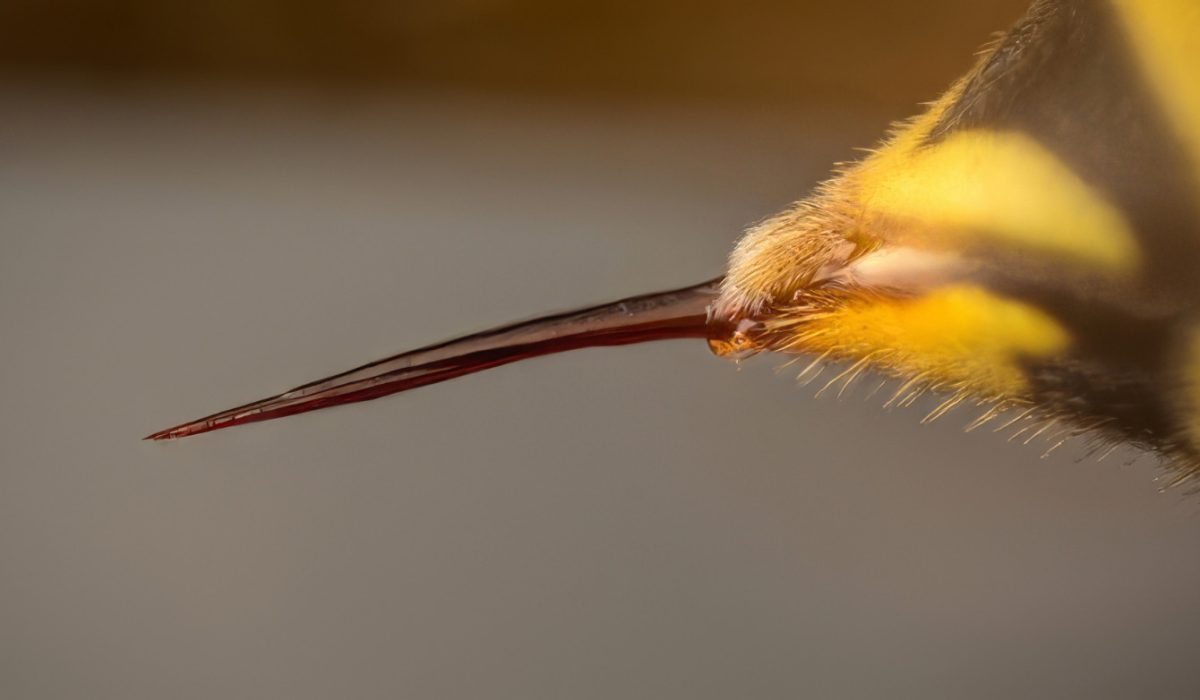
2. Remove the stinger from the skin: Gently scrape the area where the sting occurred. Do not try and squeeze the stinger with your fingers or tweezers as the stinger could still have venom in it. Putting pressure on the stinger could release more venom into the skin causing more pain. Using a flat object such as a credit card to scrape the skin will remove the stinger without putting undue pressure on it.

3. Wash the area: Using soap and water to clean the area is highly advised to wash out any other excess bacteria.

4.Use a cold pack: Anything cold, whether that is a true cold pack or even a frozen bag of peas and carrots, will help the swelling go down.

5.Take medication: The sting most likely will leave the person stung with a bit of pain, using some kind of over-the-counter medication may help in reducing both the pain and the swelling.

BE AWARE

First off, if bees are spotted in the proximity of your home or an outdoor space that has a high volume of people, it is best to call an expert in beehive and swarm removal. This is the safest route for a number of reasons. An expert will know how to safely remove the hive or swarm in a timely manner so that the bees do not cause a problem for a long time. Along with this, the experts will be able to safely transport the bees to a farm where they will be kept in good health to keep them benefiting the ecosystem.

BE CONSCIOUS OF SCENTS AND SMELLS

Numerous repellants that are safe for both the environment and bees that come into contact with it are also good ways to make sure that the flying insects do not come into a specific vicinity.

Avoiding any kind of flowering scent is a good place to start as to not attract the bees in the first place. Bees can smell scents 50 times better than an average dog so they are able to pick up on even the smallest of smells.

This talent of the bees can be used to the advantage of keeping them away as well. Many oils such as vegetable, lavender or citronella oil are all good deterrents to keep bees away. The scent of lemons and lime are also a good way to make sure the flying insects do not come by.

Some plants can also help in this case. Rather than having to remove all kinds of flowers and uprooting full gardens, the scent of lemongrass or mint plants can be a strong enough scent to keep the bees away.

The scent of people alone will not be enough to intrigue the bees as they naturally are not attracted to this smell.

HATS, HAIR AND CLOTHING

However, one thing they are attracted to is hair. Keeping a hat on as well as making sure your furry friends are not near bees as they have a heightened sense of awareness around hair. The hat will deter the bees from being curious and will keep them on their way.

Along with this, light colored clothes are good to keep on outside. This is already a big thing to consider as the weather becomes warmer, because darker clothes attract more heat, but also the dark colors attract bees. Rough and dark clothing has been known to aggravate some species of bees and will send them into attack mode because of this.

FOOD AND BEVERAGES

Bees are curious by nature and are attracted to a lot of food and drinks. Especially sugary drinks like soda because of the sweetness. Sodas along with fruits can attract the bees and they can mistake the sweet scent for nectar and go towards the smell to try and feed off of it. Once a bee catches wind of one of these scents, they will track it down causing for a tough time to enjoy a nice cold soda on a hot summer day. It is best to use covered cups rather than cans when drinking soda as well as wrapping foods in either plastic bags or foil to block off as much scent as possible.

Categories
Uncategorized

DIFFERENT KINDS OF BEEHIVES

A sting from a bee can happen out of nowhere. If you are outside during the spring, there is a high chance bees could be flying around whether they are looking for pollen or heading back to their colony. Either way, it is always good to be prepared and ready just in case you or someone you know is stung by a bee.

With the importance of bees in the natural ecosystem, it is a standard practice to make sure they have a safe home while keeping everyone around them safe as well. Whether bees are in a natural beehive or a man-made one, there are numerous variations of hives that each serve a specific purpose in housing colonies both big and small

NATURAL HIVES

When it comes to naturally made beehives, these are the stereotypical hives seen outdoors. While these hives take on many different sizes and shapes, they all share specific structural details.

The main detail is the hexagonal shape used in storing the honey. The honeycombs are always formed in this six-sided shape because of the ability to hold honey better than other shapes. The bees will use heat in order to melt the sides of their honeycombs to form this shape for each hive. This shape is also used so no space is wasted when creating the hive.

Propolis, which is a substance from tree buds that bees collect, is then used to fill crevices in the honeycomb to make the hive structurally sound. 

LANGSTROTH HIVES

Developed in the mid 1800’s by Reverend Lorenzo Langstroth, this hive is one of the most common hives used in North America.

The Langstroth Hive’s simple design helps to make keeping bees in this contraption very simple. The structure is made with box-shaped hives that are stacked on top of one another and each has moveable frames to access each individual row of comb.

The hive is very adaptable as there are many variations to it. The boxes have numerous variations as it has three different depths and two different widths. When it comes to depths, the hives range from deep, medium and shallow depths. For widths, the hives can have either eight or ten frames.  

The only disadvantage to having the Langstroth is the weight. These boxes can range from a weight of 30 pounds all the way to 100 pounds so heavy lifting will be necessary if they are to be transported.

TOP BAR HIVE

While the Langstroth is one of the most common hives used in North America, The Top Bar Hive is the most commonly used hive around the world.

The hive gets its namesake because instead of using frames, bars are used on top of the hive body so that the colony of bees can use them to form living space. It gives enough space for the bees to build what they need. This also gives beekeepers easy access to remove the combs if and when necessary.

The design of the hive gives easy access for the bees to come and go while being able to adjust size as the hive and colonies grow. A roof is also used to keep the colonies warm in the winter time as well as reflecting sun during the summer so as to not overheat the bees.

The only real downside to this kind of hive is its delicate nature because there is no true foundation to the hive which can require constant care and maintenance.

WARRE HIVE

The Warre Hive is very similar to the Top Bar Hive with one major difference. The difference between the two is that the Warre hive is vertical from top to bottom compared to the horizontal design of the Top Bar Hive.

The hive works in a similar way as the Top Bar Hive as well as there is no true foundation, but instead there are bars placed inside the boxes where bees will create and house their colonies. A roof is put on top of the boxes and followed by a quilt cover for insulation purposes. Under the hive-body boxes, there is an entrance for the bees to come and go at the bottom of the hive. 

These kinds of hives make for easy access to the honeycombs and are a cheaper alternative to the traditional Langstroth hive as they are not hard to put together with your own supplies.

With there being no foundation like the Top Bar Hive, these can also need more maintenance and care compared to other hives.

WBC HIVE

Known as the classic beehive, the WBC is one of the most common used hives in the United Kingdom. It is still used in North America as well but not as much as the UK.

These hives are the only current day ones to still use a double-walled design for insulation purposes.

Other features of the hive include narrow inner boxes, short legs and a pitched roof. The inner boxes are similar to most other hives as this is where the colonies will create their home. The short legs are used to create a gap at the bottom of the hive similar to how the Warre Hive is designed. The pitched roof is used as the exit for the bees and is generally covered in metal.

While the design is very attractive and easy to disassemble, the disadvantages that come along with are hard to overlook. If the walls inside the hive become damp, it can cause numerous problems for the bees inside, especially during the winter months.

HORIZONTAL LAYENS HIVE

This kind of Hive, which was developed in the 19th century by Georges de Layens, is used in climates with drastic weather as they do an excellent job in insulating bees from harsh warm and cold weather.

There are currently more than one million of these hives in circulation being used today.

A thick wall is created that is the placement for where the honeycombs are built and each Layens frame can hold up to 12 lbs of honey. These hives are also built horizontally so they are easy to access for beekeepers while not disrupting the colonies.

Taking the good with the bad, these kinds of hives cannot add more supers if the colony begins to grow larger. However, they are very inexpensive to create and make on your own.

Taking the good with the bad, these kinds of hives cannot add more supers if the colony begins to grow larger. However, they are very inexpensive to create and make on your own.

GET A FREE ESTIMATE

Please fill out the form below and we will get back to you shortly.

or call us at:

5.0

Star

4 Reviews

(972) 439-6516

    Which service are you interested in?*