Categories
Uncategorized

The Importance of Bees

Importance of bees

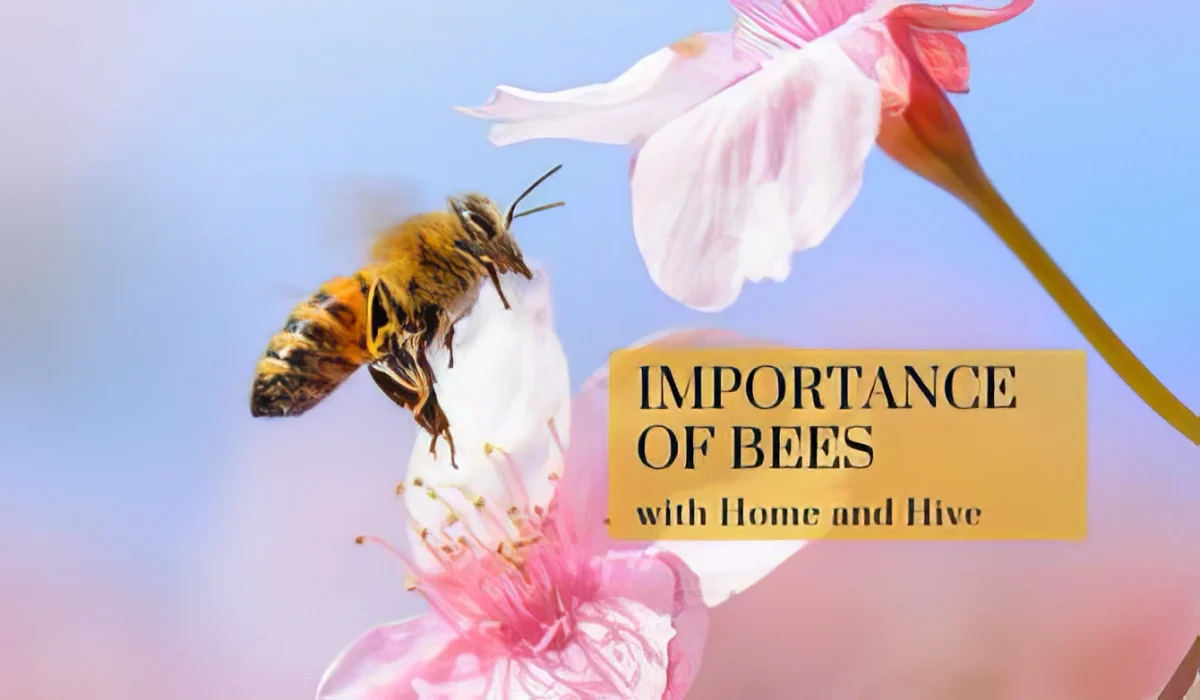
What is the importance of bees? Bees are often thought of as small, insignificant insects, but they play a vital role in our ecosystem and have a tremendous impact on our daily lives. In fact, bees are responsible for pollinating over 75% of the world’s food crops, making them one of the most important species on the planet. Without bees, our food supply would be severely compromised and many of the fruits, vegetables, and nuts that we rely on for nutrition would disappear. Come with us at Home & Hive on a journey to find out why bees are important. 

Pollinating

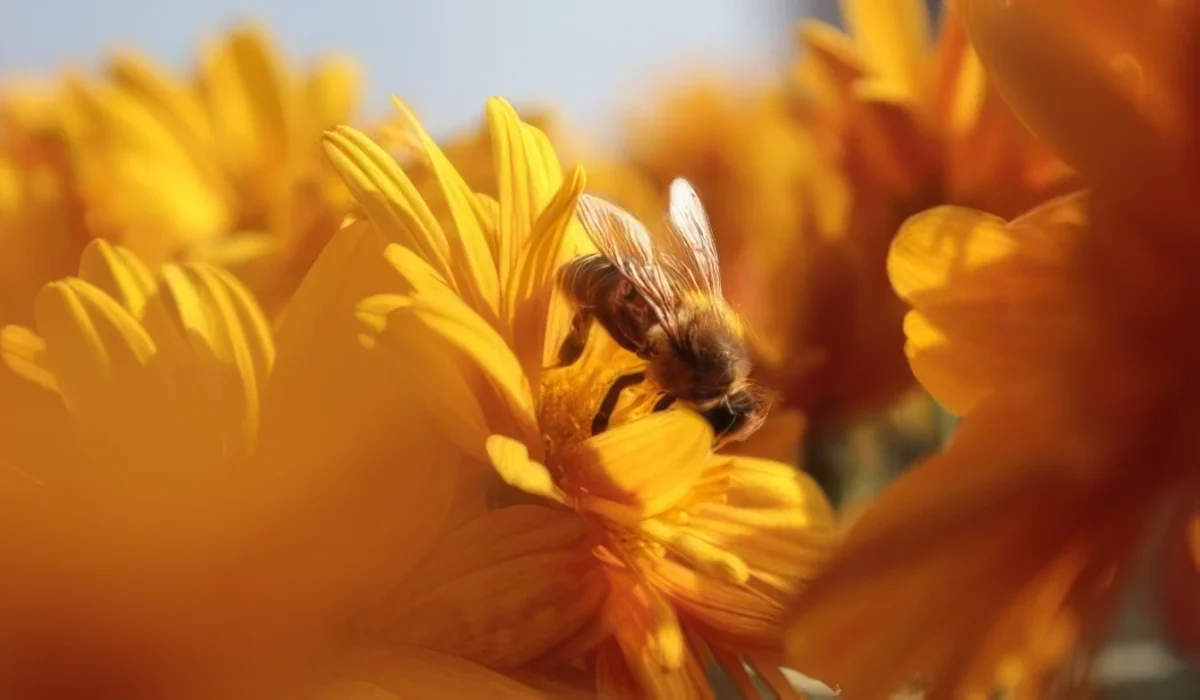
One of the reasons that bees are so important is that they are responsible for pollinating a wide variety of plants. Pollination is the process by which plants reproduce and produce seeds, and it is essential for the health and survival of many plant species. When a bee visits a flower, it collects nectar and pollen, which it uses to feed itself and its young. As the bee moves from flower to flower, it brushes against the pistils of the flowers, transferring pollen from the male reproductive organs to the female reproductive organs. This process is essential for the fertilization of flowers and the production of seeds.

Bees are not the only insects that pollinate plants, but they are by far the most effective. This is because they are highly specialized for this task and have evolved a number of adaptations that make them particularly well-suited for it. For example, bees have hairy bodies that are covered in tiny scales, which help them to collect and transport pollen from one flower to another. They also have long tongues that allow them to reach the nectar in deep, narrow flowers, and their wings are powerful enough to carry them from one flower to another.

Health and Diversity

Importance of bees

Another reason that bees are so important is that they contribute to the health and diversity of ecosystems around the world. Bees pollinate a wide variety of plants, including flowers, trees, and crops, which provide food and shelter for other species. When bees are abundant, they help to maintain the balance of an ecosystem and ensure that it is healthy and productive. In contrast, when bees are scarce, the ecosystem can become unbalanced and may even collapse.

Value to Humans

The importance of bees extends beyond their role in pollination and the health of ecosystems. Bees are also valuable to humans in a number of ways. For example, bees produce honey, which is a sweet, nutritious food that is enjoyed by people all over the world. Honey is also used in a variety of other products, such as cosmetics, medicines, and bakery goods. In addition, beeswax, which is produced by bees to build their honeycombs, has a number of practical uses, including as a natural alternative to petroleum-based candles and as an ingredient in lotions and other personal care products.

Despite the many benefits of bees, these insects are facing a number of challenges that threaten their survival. One of the biggest threats to bees is habitat loss, which occurs when natural areas are destroyed or converted for other uses, such as housing or agriculture. This leaves bees with fewer places to live and forage and can make it more difficult for them to find the food and resources they need to survive.

Importance of bees

Another threat to bees is the use of pesticides, which are chemicals that are used to control pests, such as insects, weeds, and diseases. Pesticides can be toxic to bees, and even small amounts can have a negative impact on their health. In addition, some pesticides can interfere with the ability of bees to navigate and communicate, which can make it harder for them to find food and mates and can lead to declines in population.

Climate change is also a major concern for bees, as it can alter the availability of food and the timing of flowering events. For example, warmer temperatures can cause flowers to bloom earlier or later than usual.

Follow us on TikTok to learn more: https://www.tiktok.com/@homeandhivebeeremoval
Categories
Uncategorized

Bee Season 101

Bee Season 101

Bee season is an exciting time for beekeepers, like Home and Hive, and honey enthusiasts alike. It marks the start of the active period for bees, when they begin to leave the hive and collect nectar and pollen from flowers. During this time, bees are essential for the pollination of many different crops, including fruits, vegetables, and nuts.

But bee season isn’t just about the bees – it’s also about the people who care for them. Beekeeping requires a lot of hard work and dedication, as bees need to be monitored and managed throughout the year to ensure their health and productivity. It can be a rewarding hobby, but it’s important to understand the challenges and responsibilities that come with it.

Take a journey with us at Home and Hive to get a better look at bee season. Bees usually become active in the spring with the warm weather and flowering of plants. They remain active throughout the summer and into the fall. Cooling temperatures in the fall prompt them to prepare to overwinter. So, what can you expect at the start of bee season? Here’s a guide to getting your bees off to a strong start.

Understanding your bees during bee season

Before the start of bee season, it’s important to have a good understanding of your bees. This includes knowing the specific species and subspecies of bees you have, as well as their behaviors and needs.

Different species of bees have different characteristics and may require different management techniques. For example, honey bees are the most common species kept by hobbyist beekeepers, but they are not native to North America. They have a social hierarchy with a queen bee at the top, and they produce honey and wax for the hive. Other common species include bumblebees and native bees, such as mason bees and carpenter bees.

Bee Season 101

It’s also important to understand the life cycle of bees. Bees go through several stages of development, from egg to larva to pupa to adult. The queen bee is responsible for laying eggs, and the worker bees take care of the rest. Worker bees also have different roles within the hive, including foraging for nectar and pollen, building and maintaining the hive, and caring for the young.

Preparing for bee season

Before the start of bee season, it’s important to get your hive and equipment ready. This includes checking for any repairs that need to be made, such as fixing cracks or replacing damaged frames. You should also make sure you have all the necessary equipment, such as a bee suit, gloves, and a hive tool.

It’s also a good idea to check the food stores in the hive. Bees need a consistent supply of food, especially during the early stages of bee season when there may not be as many flowers blooming. If the hive’s stores are low, you may need to feed the bees a sugar syrup to supplement their diet.

Monitoring your bees

Once bee season starts, it’s important to regularly monitor your bees to ensure they are healthy and productive. This includes checking for any signs of disease or pests, such as mites or worms. It’s also a good idea to check the hive for any signs of swarming, which is when a group of bees leaves the hive to form a new colony.

Bee Season 101

You should also keep an eye on the hive’s food stores and make sure they have enough to last until the next nectar flow. If the stores are running low, you may need to feed the bees again.

Harvesting honey

One of the most exciting parts of bee season is the opportunity to harvest honey. This is typically done in the late summer or early fall, when the bees have had a chance to collect and process enough nectar to produce a good amount of honey.

To harvest honey, you will need to open the hive and carefully remove the honeycomb frames. These frames should be carefully inspected for any signs of disease or pests, and any contaminated frames should be removed. The honey can then be extracted from the comb using a honey extractor

Find out more about bees and Home & Hive by following us on TikTok: https://www.tiktok.com/@homeandhivebeeremoval

Categories
Uncategorized

Bees In Winter

Bees in Winter

Bees in Winter with Home and Hive

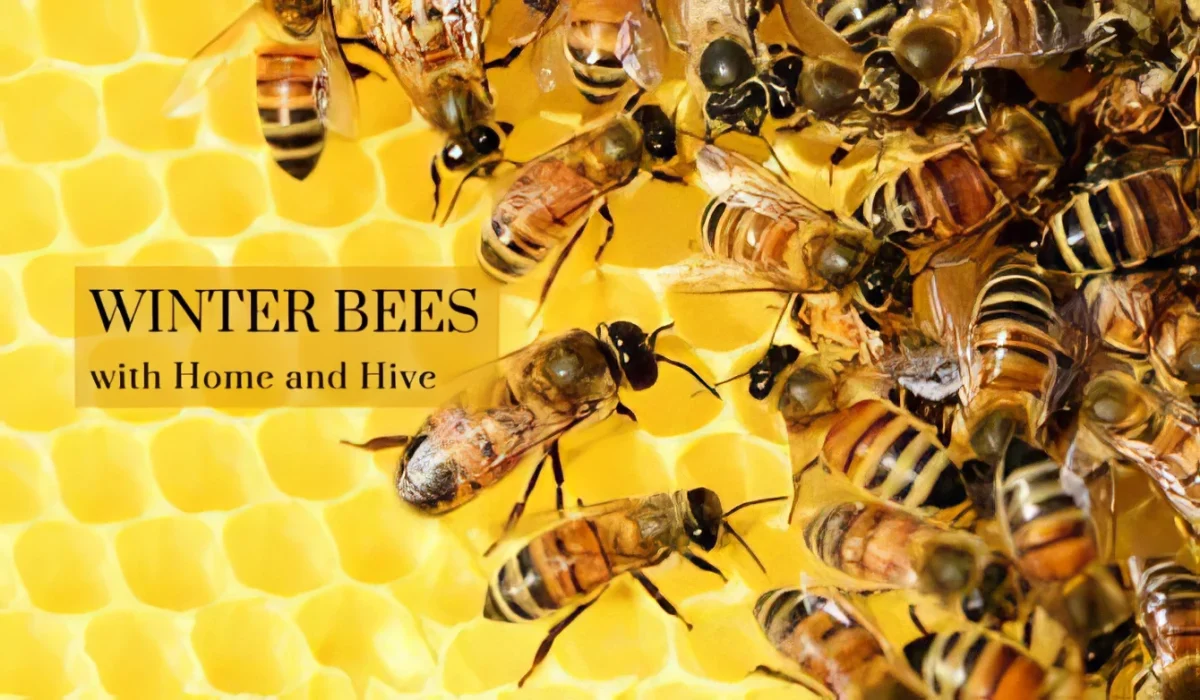
Have you ever wondered, what happens to the bees in winter? They seem to be everywhere over the warmer month and then just disappear. As a beekeeper, we get this question a lot. Some of the most common types of bees in Texas are honeybees, bumblebees, mason bees and carpenter bees.


The role of a beekeeper isn’t over when the warmer months have passed us by. Winter is when we see the greatest amount of hive losses. This is an unfortunate part of beekeeping and dealing with nature.

Let’s look at what bees do in the winter.

Categories
Uncategorized

Honey | Liquified and Crystallized

Did you know that honey can be liquified or crystallized? Nearly all types of honey crystalize over time. Crystallized honey is a delectable treat in its solid form. Some forms crystallize immediately while other types (especially those made from tree flowers) take months or even years.

Honey - liquid vs crystallized


The nectar honeybees collect to make their honey contains different types of simple sugar, such as glucose and fructose. It is the ratio between these two that determine how fast it crystallizes. Honey with greater amounts of fructose stay liquid much longer.

Have you ever tried to liquify honey before? It can be a challenge. Traditional methods can take quite a while, and the results are often less than satisfactory. But there is an easier way. This blog post will discuss how to liquefy honey using a simple method that anyone can do in just minutes.

So read on and learn how to make your honey liquid.


How to liquify honey

Most people think the only way to liquify honey is to heat it. While this is true, a more accessible way does not require heating. Place your honey jar in a bowl of hot water. The hot water will melt the honey and make it liquid.

If you do not have access to hot water, you can place the honey jar in a sunny spot. The heat from the sun will also liquefy the honey.

Once the honey is liquified, you can store it in a jar or bottle. Be sure to tightly seal the container, so the honey does not crystallize again.

And there you have it, a simple and easy way to liquify honey. Give it a try the next time your honey starts to crystalize.

As mentioned, you can use heat to liquify honey; here is a step-by-step guide on how to do it:

How to melt honey using heat

Honey - liquid vs crystallized


Warm a pan of water on the stove to 105 – 115 degrees, and then turn off the heat.

  1. Remove the lid from the honey jar so that it can expand.
  2. Put the honey jar in the water and wait until it has liquified, which should only take a few minutes.
  3. Once the honey is liquid, remove the jar from the water and screw the lid back on.

This process can take hours to complete depending on the amount of honey and water. While the microwave might seem like a quicker solution, there is a high chance that you overheat the honey.  


Why is temperature important when liquifying honey?

Although honey can last for many years, certain things destroy it quickly. The primary destroyers are heat, light, and oxygen. Honey is made from flower nectar which contains enzymes. Enzymes are proteins that act as catalysts to start or speed up chemical reactions.

The enzymes in honey are heat sensitive. When you subject honey to high temperatures, the enzymes are damaged. This means the honey will not have the same flavor or aroma as it did before it was heated. You may think that heating it just once won’t do much damage, and maybe it won’t. But liquified honey won’t stay that way for long.

So, if you are going to heat your honey, make sure to do it at a low temperature and for a short period. This will minimize the damage to the enzymes and preserve the flavor and aroma of your honey.

To minimize crystallizing, store your honey in a dark and cool place with a tightly secured lid. This will minimize the heat, light, and oxygen that can damage or crystallize your honey.

Don’t’ liquify honey. Eat it

Honey - liquid vs crystallized

Many like the nuances of flavor, aroma, and taste of different honey. The crystals aren’t important but here in North America, we are taught that crystallized honey is inferior to liquid honey. This just isn’t the truth.

Eating crystallized honey has some advantages over liquid honey. Crystallized honey is easier to spread and doesn’t drip as much as liquid honey. It also has a longer shelf life than liquid honey.

If you use crystallized honey with hot food, it’s going to be liquid by the first bite. Put it in tea and stir. Spread it on warm toast or anything else your heart desires.

There are many ways to enjoy honey. Whether you like it liquid or crystallized, there is a method for everyone. You can use crystalized honey in salad dressings, toast, or tea. Liquid honey can be used as a sweetener for coffee or oatmeal. You can use crystallized honey in places that you don’t want drip off, like cheese and crackers.

Don’t throw it out the next time your honey starts to crystalize. Try one of these methods to liquify it and enjoy the sweetness of honey once again.

Only liquify the amount of honey you need

Only heat up the amount you need, rather than heating the entire jar over and over. Remove the amount of honey you need from the jar and place it in a bowl. Heat water on the stove and place the bowl in the heated water. The heat from the water will liquify the honey without damaging it.

Once the honey is liquid, use it as needed and store the rest in the jar for later. This method ensures that your honey retains its flavor and aroma and has a longer shelf life.

Tips on storing and heating honey

The following tips will help you keep your honey fresh and delicious:

– Store honey in a cool, dark place.

– Heat honey only when necessary and do so at a low temperature (105 – 115 degrees) for a short period.

– Don’t store honey near strong-smelling foods, as the honey will absorb the odor.

– If you must heat honey, remove the lid from the jar so it can expand.

– Once heated, honey will crystalize over time. Store in an excellent place to prevent this.

Conclusion

Honey is delicious and versatile food. You can enjoy it in many forms, but sometimes you may need to liquify it.

The best way to liquify honey is by using low heat for a short period. This will preserve the flavor and aroma of your honey.

If you only need a small amount of liquid honey, don’t heat the entire jar. Remove the amount you need from the jar and place it in a bowl. Pour hot water over the bowl and let it sit for a few minutes. This will liquify the honey without damaging it.

Store honey in a cool, dark place to keep it fresh. Heat only when necessary and remove the lid from the jar so that it can expand. With these tips, you can enjoy honey for a long time. Thanks for reading.

Categories
Uncategorized

HOW TO IDENTIFY DIFFERENT KINDS OF BEES AND WASPS

As it hits the warmest time of the year, insects make their presence known as much as possible as they enjoy the warm weather and thrive in it. With this of course brings along flying insects as well such as bees and wasps.

The two insects are generally grouped together as they share many similar characteristics such as their ability to fly, their stinging abilities and the fact that they nest. While these insects to share a lot of similarities, they are very different in a number of aspects such as appearance and what they provide for the ecosystem.

Because of this, it is important to know how to identify the two apart from each other as well as the species within each grouping. This can help people who want to enjoy the warm weather identify what insect it is and how they should go about dealing with the insect if there is a possibility that it will cause problems.

Identify Bees and Wasps

What differentiates a bee and a wasp

When it comes to appearance, the two are fairly easy to tell apart. Physically, bees are rounder while wasp are much slimmer with larger stingers. Bees also tend to have some kind of hair on their body while wasp do not. This can be hard to see sometimes but is noticeable in bright lighting or simply being close to a bee to notice the hair.

A common factor of the two insects is that only the female can sting. However, bees can only sting once as their stinger will detach from their body once the action has occurred. The stinger is an important part of a bee’s structure and cannot survive once this has been done. On the other hand, wasp do not have this problem and can sting whatever they are targeting multiple times.

The behavior patterns of the two also play a large role in telling the two apart. Bees will work in colonies that can be as large as 75,000 while wasp only have colonies that end up around 10,000 or so. Not only this, but the queen bee does not work while queen wasp builds the colony for the rest of the members.

Wasp also tends to be much more aggressive as they are much more territorial than bees. Bees can attack if they are provoked, but if you keep your distance from them and not disturb their home or their business, they should not bother you.

One of the aspects of the two insects is that they both play a vital role in the ecosystem. When it comes bees, their role is ainly to spread pollen. Since they get their nutrients from the nectar that is produced by flowers, they will carry the pollen on the hair follicles they have on their body and spread it to other plants and flowers. When it comes to wasp, they do a very good job at controlling pest. Since they feed on other bugs such as aphids and flies, they help control the amounts that are in a yard and can actually help gardens be kept healthy because of this.

When it comes to their nest, they are also fairly easy to tell apart. Because a bee colony is so much larger in size, their hives tend to follow that trend in being bigger in size. Wasp nest only house around 20-40 individuals as they are drastically smaller. The colonies will build multiple nests in the same general area which all will be located in protected areas such as overhangs under gutters or other structures. Knowing this is important in case the insects need to be dealt with since both have to be dealt with differently.

Identify different bees and wasps

Different kinds of bees and wasp

Identifying whether a flying insect is a wasp or bee is an important first step when dealing with these creatures. It is just as important to be able to identify what kind of species they are once identified as this helps when trying to know how to deal with them. Identifying different kinds of bees and wasp can be difficult at first but with a bit of research any of them can become determined.

Honeybees – This kind of bee is the stereotypical one that people think of when they think of bees. They are typically around half an inch in size and have the stripped black and brownish/orange pattern on their bodies.

How to identify bees

Carpenter bees – These bees are larger in size as they are typically around an inch in length. The main difference from any of the other kinds of bees is that they do not live in nest. Instead, they will burrow themselves in wood. Specifically, they prefer decaying wood. They can also cause significant property damage so if they are noticed, it is best to contact a professional as soon as possible.

Identifying bees

Bumblebees – This kind of bee has the largest range in size as they can be anywhere from a fourth of an inch to a full inch in size. These bees are yellow and black with a lot of fuzz over themselves which makes them very distinguishable.

How to identify bees

Yellow jackets – These kinds of wasp are typically around half an inch in size and look somewhat similar to a bumblebee because of their color pattern. Their nest can be in the air on structure of on the ground near plants and can have varying sizes in their nest. If their nest is located near a structure, it is important to contact a professional to have them removed.

Identify bees and wasps

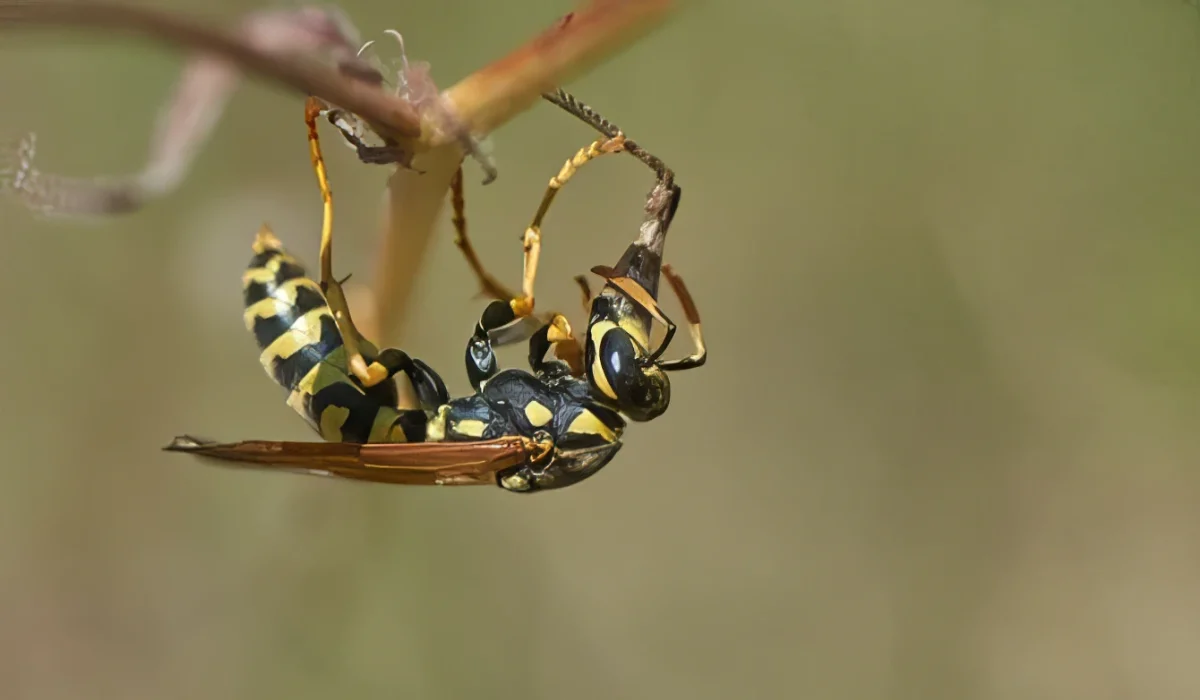
Mud daubers – These wasps are black in color and are long and lanky. It is best to try and avoid these was as they are very aggressive and is best to be removed if they are near heavy human traffic. They build their nest out of mud, hence the name, which are tube shaped and built all around various structures such as garages and patios.

Identify bees and wasps

Paper wasp – This kind of wasp is a very common one that is seen thanks to its distinguished brownish color with reddish markings. They also get their name from the material used for their nest. They are also not as aggressive as other kinds of wasp but will attack if their nest is touched or messed with.

Identify bees and wasps

Categories
Uncategorized

WHY WE DO NOT KILL BEES

As most everyone has heard at this point, bees are a very important parts of all ecosystems. They have numerous benefits and are not harmful creatures because they are not aggressive in their nature as they only ever act in self-defense. These buzzing creatures have been a pivotal part of the outdoors for a long time, but in recent years the population of bees has begun to decrease.

Thanks to harmful pesticides and other kinds of pollutants, the bee population has gone down slowly overtime which can be extremely harmful to the ecosystem. There are numerous reasons in why bees are important and should be kept safe.

Population decline

It is no secret that the bee population is going down. Checking any kind of social media will almost always have kind some of trending post or articles that shows this issue. In a study done by the University of Vermont, a 23% population decrease was seen across the entire globe between 2009 and 2013. That spans the over 20,000 different kinds of bees there are around the entire world..

There are a lot of factors that are coming into play which has led to his population decline. Deforestation and habitat loss has been a large contributor to this problem. Areas that have been known to house large number of bees in the wilderness have been destroyed which has led to a lot of relocation for these colonies. This causes the bees to build their hives in places that may cause problems such as houses and playground that have a lot of human traffic.

As mentioned before, toxins and pesticides have also been a big reason in why the population has continued to go down. Since they are such small insects, it does not take a lot of chemicals to cause problems. Once inhaled, the bees will begin to feel week and possible die because of the strong chemicals. It is important to keep this in mind when working in your garden or backyard to make sure that you are using safe substances.

Most important pollinators

While they are not the only animal that helps when it comes to pollination, bees are by far the most important. They are responsible for around 75% of all pollination around the world. This includes vegetation such as fruits and vegetables that people need in order to eat and survive. And with there being around 30,000 plants out there requiring pollination, that is a hefty task to take on.

This pollination not only helps people gain the food and nutrients that is necessary, but they also help with the economy and flow of money when it comes to crops involved. In a study done last year, it was shown that around $577 billion of global crops were thanks due in part to bees and their pollination responsibilities. This includes foods such as nuts, fruits, vegetables, berries and other kinds of crops..

And of course, they are important when it comes to simple gardening and yard work. On a much smaller scale, natural bees help when trying to have a successful garden. People can only do so much planting and watering to start the garden. The pollinators are need in order to spread the pollen in order to keep these areas healthy. Without bees, it would be almost impossible to have a successful garden year in and year out.

They help the economy

Bees are also important to the economy in other ways than just crops. Honey is the most well-known product that bees are known for and for good reason. This product is a natural substance that is very healthy while also not being man made, which avoids a lot of the chemicals done in processing and manufacturing. A lot of people work in the field of honey, whether that means being a beekeeper or working in a packaging factor for the honey, which houses thousands of jobs a year.

The honey produced can also be used as an ingredient in many other kinds of products such as hair care and other kinds of cosmetics. Bee wax is also another product that comes from honey which is another helper in the cosmetic world. Florist also benefit from the pollination of bees as many flowers such as dandelions require this pollination and are sold frequently.

What you can do

There are a lot of things that can be done by anyone that can help with the declining bee population problem. These are also not tough task that require a lot of time or energy but are rather just day-to-day things to consider which can help the cause.

For starters, avoid using any kind of strong or harmful chemicals. At this point, there are plenty of safer alternatives from trying to keep other bugs such as flies away from your yard or pool. Sound devices have become a popular choice in keeping certain kinds of unwanted bugs away and are not harmful to bees.

Planting natural flowers that are popular within the geography of where you live is also a very beneficial action. Bees are used to the flowers in whatever area they tend to be in and prefer whatever is natural for those areas. Finding out what flowers bees prefer the most depending on where they live can go a long way in helping them.

If you do notice a beehive in an area that may be dangerous for both you and the colony, such as your home, it is best to call a professional to take care of the bees. Beekeepers will safely transport bees to a farm where they can still stay within their colony and produce honey will not being harmed in the process at all.

GET A FREE ESTIMATE

Please fill out the form below and we will get back to you shortly.

or call us at:

5.0

Star

4 Reviews

(972) 529-8868

    *Please only press submit once, it takes a few seconds to send.