Categories
Uncategorized

How to Identify Different Types of Bees

Bees are a crucial part of our ecosystem, playing a critical role in pollinating plants and producing honey. However, not all bees are created equal, and there are many different types of bees that you may come across. In this blog post, we’ll explore how to identify different types of bees, their behaviors, and where you can find them.

Different Types of Bees

Different types of bees

Honey Bees

Honey bees are perhaps the most well-known type of bee, and are often kept by beekeepers for their honey production. These bees are typically light brown or orange in color with black stripes, and are about 15mm in length. They can often be seen flying in and out of their hives, which can be found in a variety of locations, including trees, buildings, and man-made structures.

Honey bees are known for their complex social structures, which include a queen bee, worker bees, and drones. The queen bee is responsible for laying eggs, while the worker bees are responsible for building and maintaining the hive, collecting pollen and nectar, and caring for the young. Drones, on the other hand, are male bees whose sole purpose is to mate with the queen.

Bumblebees

Bumblebees are another type of bee that are commonly found in North America and Europe. These bees are larger than honey bees, and are typically black and yellow in color. They are known for their distinctive, fuzzy appearance, which is caused by their long, thick hair. Bumblebees are also known for their ability to fly in cooler temperatures, which allows them to be active earlier in the spring and later in the fall than other types of bees.

Bumblebees are social insects, but their colonies are much smaller than those of honey bees. A typical bumblebee colony will consist of a queen bee, a few dozen worker bees, and a few male bees. Bumblebees are also known for their ability to buzz pollinate, which is a process where they use their muscles to vibrate the pollen out of flowers.

Mason Bees

Mason bees are a type of solitary bee that are known for their ability to pollinate fruit trees and other crops. These bees are typically small, about 10mm in length, and can be found in a variety of colors, including blue, black, and green. They are called “mason” bees because they use mud to construct their nests, which are typically found in small holes or crevices in wood or masonry.

Unlike honey bees and bumblebees, mason bees are solitary insects, meaning that they do not live in colonies. Instead, each female mason bee will construct her own nest, which she will fill with pollen and nectar before laying her eggs. The eggs will then hatch into larvae, which will feed on the pollen and nectar before pupating and emerging as adults.

Carpenter Bees

Different types of bees

Carpenter bees are a type of bee that are known for their ability to drill holes in wood. These bees are typically large, about 25mm in length, and are often mistaken for bumblebees due to their similar appearance. However, carpenter bees have a shiny, hairless abdomen, while bumblebees have a fuzzy abdomen.

Carpenter bees are solitary insects, and each female will construct her own nest by drilling a hole in wood. While this behavior can be damaging to wooden structures, carpenter bees are not typically aggressive and will only sting if provoked.

Leafcutter Bees

Leafcutter bees are a type of solitary bee that are known for their ability to cut circular pieces of leaves, which they use to construct their nests. These bees are typically small, about 10mm in length, and can be found in a variety of colors, including shades of black, blue, and green.

Leafcutter bees can be identified by their behavior of cutting perfect circles out of leaves. They use these pieces to build nests, which can be found in small holes or crevices in wood or masonry, much like mason bees. Leafcutter bees are not aggressive and rarely sting, making them a great addition to any garden.

Sweat Bees

Sweat bees are a type of bee that are known for their attraction to human sweat. These bees are typically small, about 5-10mm in length, and can be found in a variety of colors, including green, blue, and black. They are often mistaken for flies due to their small size and rapid movements.

Sweat bees are solitary insects, and each female will construct her own nest in the ground. They are attracted to human sweat because it contains salts and minerals that they need for their own survival. While sweat bees can sting, they are not typically aggressive and will only do so if provoked.

Squash Bees

Squash bees are a type of solitary bee that are named for their unique behavior of pollinating squash and related plants. These bees are small, about 10-15mm in length, and are typically black with some yellow markings. Squash bees are active during the day and can be found visiting flowers in the early morning hours.

Squash bees construct their nests in the ground, often in sandy or loose soil. They are active during the growing season and are most commonly found in North America, where squash plants are native. Squash bees are important pollinators for many types of squash, pumpkins, and gourds.

Mining Bees

Different types of bees

Mining bees are a type of solitary bee that are known for their behavior of digging burrows in the ground. These bees are typically small, about 5-15mm in length, and can be found in a variety of colors, including black, brown, and orange. Mining bees are active during the early spring and are often some of the first bees to emerge after winter.

Mining bees construct their nests in the ground, often in sandy or loose soil. They are important pollinators for a wide variety of plants, and their burrows can also help to aerate and fertilize the soil. While mining bees can sting, they are not typically aggressive and will only do so if provoked.

Tips on how to identify different types of bees

  1. Observe the bee’s physical characteristics: The first step in identifying a bee is to observe its physical characteristics. Look at the bee’s size, color, and any distinguishing marks or patterns. For example, bumblebees are often larger and fuzzier than other types of bees, while honeybees are typically more streamlined in shape.
  1. Watch its behavior: Bees have unique behaviors that can also help you identify their species. For example, carpenter bees will often bore holes in wood, while leafcutter bees will cut perfect circles out of leaves. Observing a bee’s behavior can give you clues about its species.
  1. Look at the environment: Bees are often adapted to specific environments, which can also help you identify their species. For example, mining bees are often found in sandy or loose soil, while mason bees build their nests in holes in wood or masonry. Look at the environment where you see the bee to help narrow down its potential species.
  1. Consider the time of year: Different species of bees are active at different times of the year. For example, mining bees are often some of the first bees to emerge in the spring, while sweat bees are more active in the summer. Knowing the time of year when you see the bee can help you narrow down its potential species.
  1. Use a field guide: Finally, if you’re serious about identifying different types of bees, it can be helpful to use a field guide. A field guide is a book or resource that provides detailed information about different types of bees, including their physical characteristics, behaviors, and habitat. A good field guide can be an invaluable resource for anyone who wants to learn more about bees.

Bees are fascinating creatures that play a vital role in our ecosystem. By learning how to identify different types of bees, we can gain a greater appreciation for their diversity and the important functions that they serve. From honeybees to bumblebees, mining bees to sweat bees, each species has its own unique characteristics and behaviors that make them important to our environment.

Through careful observation of a bee’s physical characteristics and behavior, as well as the environment where they are found, we can identify and appreciate the many different types of bees that surround us. Additionally, using a field guide can provide us with a wealth of information about different bee species, and can help us become more knowledgeable and confident observers.

By understanding the importance of bees and learning to identify the different species, we can take steps to protect and preserve these important insects for future generations. Creating a bee-friendly environment in our gardens and communities, reducing our use of pesticides, and promoting sustainable farming practices are just a few ways that we can help to support bee populations and ensure their survival.

Categories
Uncategorized

Safe and Effective Bee Removal with Professional Services

safe and effective bee removal

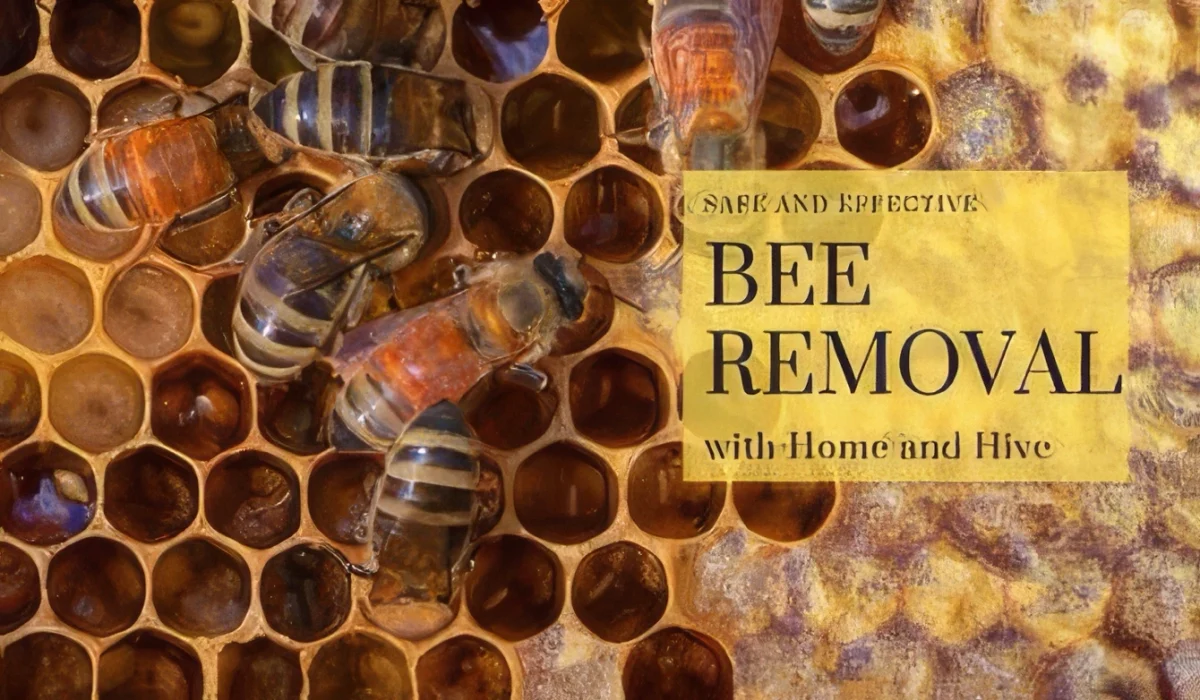
Bee removal is an important aspect of maintaining the balance of nature and preserving our environment. Bees play a crucial role in pollination and help in the growth of crops and plants. However, when they establish their colonies in human habitations, they can pose a threat to the safety of people and pets. In such situations, it becomes imperative to seek professional, safe and effective bee removal services to eliminate the risk of bee stings and other related dangers.

The Importance of Professional Bee Removal Services

Bees are not just insects, they are vital components of our ecosystem and play a crucial role in maintaining the balance of nature. However, when bees establish their colonies in human habitations, they can become a source of nuisance and a threat to safety. In such situations, it is advisable to seek the services of professional bee removal experts who can safely and effectively eliminate the bees from your premises.

  1. Safe Bee Removal

One of the most important benefits of professional bee removal services is that they ensure safe and humane removal of bees. Bees are highly protective of their colonies, and disturbing them can result in bee stings and other related dangers. Professional bee removal experts have the necessary equipment and expertise to safely remove bees without causing harm to the bees or to the people involved. They use specialized equipment and techniques to safely remove the bees and their colonies, minimizing the risk of bee stings and other related dangers.

  1. Prevention of Future Bee Infestations

Professional bee removal experts not only remove the bees, but they also take steps to prevent future bee infestations. They carefully inspect the area where the bees were found and identify the entry points that the bees used to establish their colonies. They then take steps to seal these entry points, preventing the bees from returning and re-establishing their colonies.

  1. Minimizing Property Damage

Bees can cause significant damage to the structures they establish their colonies in. They can chew through wood, siding, and other building materials, causing significant damage to the property. Professional bee removal experts can minimize this damage by removing the bees and their colonies before they have a chance to cause significant damage to the property.

safe and effective bee removal
  1. Expertise and Experience

Professional bee removal services have the expertise and experience to handle all types of bee removal situations. They have a deep understanding of the biology and behavior of bees, and they use this knowledge to safely and effectively remove the bees and their colonies. They have the equipment and techniques necessary to safely remove bees from a wide range of locations, including homes, businesses, and other structures.

  1. Protecting the Environment

Professional bee removal services protect the environment by ensuring the safe and humane removal of bees. They take steps to minimize harm to the bees and the surrounding environment, and they use techniques that are safe for both the bees and the people involved. This helps to preserve the delicate balance of nature and ensures that the bees can continue to play their vital role in pollination and the growth of crops and plants.

  1. Protecting the Health and Safety of People and Pets

Bees are known to be highly defensive and can become aggressive when their colonies are disturbed. This can result in bee stings, which can be painful and even life-threatening for some people. Professional bee removal experts take the necessary precautions to ensure the safety of the people and pets in the area during the removal process. They also have the expertise to handle bee stings and can provide medical assistance if necessary.

  1. Cost-Effective Solution

Professional bee removal services may seem like an added expense, but in the long run, they can save you money by avoiding the costs associated with property damage, medical expenses, and other related dangers. In addition, professional bee removal experts have the equipment and expertise to quickly and efficiently remove the bees and their colonies, minimizing the time and resources required for the removal process. This can result in significant cost savings compared to attempting to remove the bees on your own or with inexperienced help.

  1. Protecting the Bees

Bees play a vital role in pollination and are essential to the health of our ecosystem. Professional bee removal experts understand the importance of protecting the bees and take steps to minimize harm to the bees during the removal process. They use techniques that are safe for the bees and the environment, and they take steps to ensure the survival of the bees after their removal. This helps to preserve the delicate balance of nature and ensures that the bees can continue to play their vital role in pollination and the growth of crops and plants.

  1. Quick and Efficient Service

Professional bee removal services are quick and efficient, allowing you to quickly and effectively resolve bee infestations. They have the equipment and expertise to quickly and efficiently remove the bees and their colonies, minimizing the time and resources required for the removal process. This allows you to quickly and effectively resolve bee infestations and return to a safe and bee-free environment.

  1. Peace of Mind
safe and effective bee removal

By utilizing professional bee removal services, you can enjoy peace of mind knowing that your bee removal needs are being handled by experienced and knowledgeable professionals. You won’t have to worry about bee stings, property damage, or other related dangers, and you can rest assured that the removal process is being handled with the utmost care and professionalism. Professional bee removal services provide a safe and effective solution to bee infestations, allowing you to enjoy peace of mind and a bee-free environment.

Professional bee removal services are an essential component of responsible bee management and play a crucial role in maintaining the balance of nature and preserving the environment. They provide a safe, cost-effective, and efficient solution to bee infestations, minimizing the risk of bee stings, protecting the environment, and preserving the health and safety of people and pets. Whether you are dealing with a bee infestation in your home or on your property, seeking the services of a professional bee removal expert is the best course of action to ensure that your bee removal needs are handled with the utmost care and professionalism. With their expertise, experience, and commitment to environmental responsibility, professional bee removal experts provide peace of mind and a reliable solution to bee infestations. So, if you are facing a bee infestation, don’t hesitate to seek the services of a professional bee removal expert and enjoy a bee-free environment. Contact us today!

Categories
Uncategorized

A Bee Removal Overview – 10 Common Questions Answered

Bee Removal

Bee removal is a service that is needed by many homeowners and businesses. Bees are important insects that play a crucial role in our ecosystem, but when they build their nests near human habitats, they can become a threat to the safety of people and pets. In such cases, bee removal companies come to the rescue.

However, many people have questions about bee removal services, and here are some of the most frequently asked questions:


  1. What are the different types of bees that a bee removal company deals with?

Bee removal companies typically deal with honeybees, bumblebees, yellow jackets, wasps, and hornets.


  1. How do bee removal companies safely remove bees from a property?

Bee removal companies use different methods to safely remove bees, including the use of bee vacuums, smoke, and chemical sprays. They use these methods to safely capture and relocate the bees to a new location where they can continue to thrive.


  1. Is bee removal a dangerous job?

Bee removal can be dangerous, especially if the bee colony is large and aggressive. That’s why bee removal companies take necessary precautions and use protective gear, such as bee suits, to minimize the risk of getting stung.


  1. Are bee removal services expensive?

The cost of bee removal services can vary depending on several factors, such as the size of the bee colony, the location of the nest, and the type of bees. However, many bee removal companies offer affordable services, free estimates and some even offer free bee removal services for certain types of bees.


  1. Do I need to vacate my property during the bee removal process?

It depends on the location of the bee colony and the methods used by the bee removal company. In some cases, you may need to temporarily vacate your property, especially if the bee colony is located near living areas or if the bee removal process involves the use of chemicals.


Bee Removal
  1. Can bee removal companies prevent future bee infestations?

Yes, bee removal companies can help prevent future bee infestations by sealing any entry points to the property and removing any honeycombs and nests. They can also provide recommendations on how to keep bees away from your property in the future.

  1. What should I do if I find a bee colony on my property?

If you find a bee colony on your property, it’s best to contact a bee removal company as soon as possible. Don’t try to remove the bees yourself, as it can be dangerous and can result in more serious problems.


  1. Can bee removal companies remove bees from a tree or wall cavity?

Yes, bee removal companies have the tools and expertise to remove bees from a tree or wall cavity. They will safely remove the bees and their nest, and repair any damage caused by the bees.


  1. Can bee removal companies remove bees from a vehicle?

Yes, bee removal companies can remove bees from vehicles. This can be a delicate process, as the bees may be in hard-to-reach areas, but bee removal companies have the tools and expertise to safely remove the bees without damaging the vehicle.


  1. What happens to the bees after they are removed?

The bees are usually relocated to a new location where they can continue to thrive. Bee removal companies have a deep respect for bees and their role in our ecosystem, and they work to ensure that the bees are not harmed during the removal process.


Bees play a crucial role in our ecosystem, but when they build their nests near human habitats, they can become a threat to your safety and peace of mind. At Home and Hive, we understand the importance of bee removal and provide safe, effective, and affordable services to protect you and your property.

Bee Removal

Our team of experienced bee removal specialists have the tools and expertise to remove bees from any location, including trees, walls, and vehicles. We use safe and environmentally friendly methods to relocate the bees to a new location where they can continue to thrive.

Don’t risk getting stung or causing harm to the bees. Trust the experts at Home and Hive to safely and efficiently remove bees from your property. We are available 24/7 for emergency services, and we offer a satisfaction guarantee for all of our services.

Contact us today to schedule a bee removal service, and enjoy a bee-free environment. Protect yourself, your property, and the environment with the help of Home and Hive.

Categories
Uncategorized

The Importance of Bees

Importance of bees

What is the importance of bees? Bees are often thought of as small, insignificant insects, but they play a vital role in our ecosystem and have a tremendous impact on our daily lives. In fact, bees are responsible for pollinating over 75% of the world’s food crops, making them one of the most important species on the planet. Without bees, our food supply would be severely compromised and many of the fruits, vegetables, and nuts that we rely on for nutrition would disappear. Come with us at Home & Hive on a journey to find out why bees are important. 

Pollinating

One of the reasons that bees are so important is that they are responsible for pollinating a wide variety of plants. Pollination is the process by which plants reproduce and produce seeds, and it is essential for the health and survival of many plant species. When a bee visits a flower, it collects nectar and pollen, which it uses to feed itself and its young. As the bee moves from flower to flower, it brushes against the pistils of the flowers, transferring pollen from the male reproductive organs to the female reproductive organs. This process is essential for the fertilization of flowers and the production of seeds.

Bees are not the only insects that pollinate plants, but they are by far the most effective. This is because they are highly specialized for this task and have evolved a number of adaptations that make them particularly well-suited for it. For example, bees have hairy bodies that are covered in tiny scales, which help them to collect and transport pollen from one flower to another. They also have long tongues that allow them to reach the nectar in deep, narrow flowers, and their wings are powerful enough to carry them from one flower to another.

Health and Diversity

Importance of bees

Another reason that bees are so important is that they contribute to the health and diversity of ecosystems around the world. Bees pollinate a wide variety of plants, including flowers, trees, and crops, which provide food and shelter for other species. When bees are abundant, they help to maintain the balance of an ecosystem and ensure that it is healthy and productive. In contrast, when bees are scarce, the ecosystem can become unbalanced and may even collapse.

Value to Humans

The importance of bees extends beyond their role in pollination and the health of ecosystems. Bees are also valuable to humans in a number of ways. For example, bees produce honey, which is a sweet, nutritious food that is enjoyed by people all over the world. Honey is also used in a variety of other products, such as cosmetics, medicines, and bakery goods. In addition, beeswax, which is produced by bees to build their honeycombs, has a number of practical uses, including as a natural alternative to petroleum-based candles and as an ingredient in lotions and other personal care products.

Despite the many benefits of bees, these insects are facing a number of challenges that threaten their survival. One of the biggest threats to bees is habitat loss, which occurs when natural areas are destroyed or converted for other uses, such as housing or agriculture. This leaves bees with fewer places to live and forage and can make it more difficult for them to find the food and resources they need to survive.

Importance of bees

Another threat to bees is the use of pesticides, which are chemicals that are used to control pests, such as insects, weeds, and diseases. Pesticides can be toxic to bees, and even small amounts can have a negative impact on their health. In addition, some pesticides can interfere with the ability of bees to navigate and communicate, which can make it harder for them to find food and mates and can lead to declines in population.

Climate change is also a major concern for bees, as it can alter the availability of food and the timing of flowering events. For example, warmer temperatures can cause flowers to bloom earlier or later than usual.

Follow us on TikTok to learn more: https://www.tiktok.com/@homeandhivebeeremoval

Categories
Uncategorized

Bee Season 101

Bee Season 101

Bee season is an exciting time for beekeepers, like Home and Hive, and honey enthusiasts alike. It marks the start of the active period for bees, when they begin to leave the hive and collect nectar and pollen from flowers. During this time, bees are essential for the pollination of many different crops, including fruits, vegetables, and nuts.

But bee season isn’t just about the bees – it’s also about the people who care for them. Beekeeping requires a lot of hard work and dedication, as bees need to be monitored and managed throughout the year to ensure their health and productivity. It can be a rewarding hobby, but it’s important to understand the challenges and responsibilities that come with it.

Take a journey with us at Home and Hive to get a better look at bee season. Bees usually become active in the spring with the warm weather and flowering of plants. They remain active throughout the summer and into the fall. Cooling temperatures in the fall prompt them to prepare to overwinter. So, what can you expect at the start of bee season? Here’s a guide to getting your bees off to a strong start.

Understanding your bees during bee season

Before the start of bee season, it’s important to have a good understanding of your bees. This includes knowing the specific species and subspecies of bees you have, as well as their behaviors and needs.

Different species of bees have different characteristics and may require different management techniques. For example, honey bees are the most common species kept by hobbyist beekeepers, but they are not native to North America. They have a social hierarchy with a queen bee at the top, and they produce honey and wax for the hive. Other common species include bumblebees and native bees, such as mason bees and carpenter bees.

Bee Season 101

It’s also important to understand the life cycle of bees. Bees go through several stages of development, from egg to larva to pupa to adult. The queen bee is responsible for laying eggs, and the worker bees take care of the rest. Worker bees also have different roles within the hive, including foraging for nectar and pollen, building and maintaining the hive, and caring for the young.

Preparing for bee season

Before the start of bee season, it’s important to get your hive and equipment ready. This includes checking for any repairs that need to be made, such as fixing cracks or replacing damaged frames. You should also make sure you have all the necessary equipment, such as a bee suit, gloves, and a hive tool.

It’s also a good idea to check the food stores in the hive. Bees need a consistent supply of food, especially during the early stages of bee season when there may not be as many flowers blooming. If the hive’s stores are low, you may need to feed the bees a sugar syrup to supplement their diet.

Monitoring your bees

Once bee season starts, it’s important to regularly monitor your bees to ensure they are healthy and productive. This includes checking for any signs of disease or pests, such as mites or worms. It’s also a good idea to check the hive for any signs of swarming, which is when a group of bees leaves the hive to form a new colony.

Bee Season 101

You should also keep an eye on the hive’s food stores and make sure they have enough to last until the next nectar flow. If the stores are running low, you may need to feed the bees again.

Harvesting honey

One of the most exciting parts of bee season is the opportunity to harvest honey. This is typically done in the late summer or early fall, when the bees have had a chance to collect and process enough nectar to produce a good amount of honey.

To harvest honey, you will need to open the hive and carefully remove the honeycomb frames. These frames should be carefully inspected for any signs of disease or pests, and any contaminated frames should be removed. The honey can then be extracted from the comb using a honey extractor

Find out more about bees and Home & Hive by following us on TikTok: https://www.tiktok.com/@homeandhivebeeremoval

Categories
Uncategorized

Bees In Winter

Bees in Winter

Bees in Winter with Home and Hive

Have you ever wondered, what happens to the bees in winter? They seem to be everywhere over the warmer month and then just disappear. As a beekeeper, we get this question a lot. Some of the most common types of bees in Texas are honeybees, bumblebees, mason bees and carpenter bees.


The role of a beekeeper isn’t over when the warmer months have passed us by. Winter is when we see the greatest amount of hive losses. This is an unfortunate part of beekeeping and dealing with nature.

Let’s look at what bees do in the winter.

GET A FREE ESTIMATE

Please fill out the form below and we will get back to you shortly.

or call us at:

5.0

Star

4 Reviews

(972) 439-6516

    Which service are you interested in?*